Choose the theme
Start with the people in the room
Organizers can choose a prepared program or begin with the audience—general readers, veterans, leaders, caregivers, book clubs, or LGBTQ+ communities.
Here We Go
A book-reading breakout class pairs selected passages from Here We Go with reflection, audience questions, conversation, and—when the event calls for it—a live signing experience.
The readings are shaped around the audience and the emotional appetite of the gathering. They share meaningful stories without giving away the book’s most important later turns.
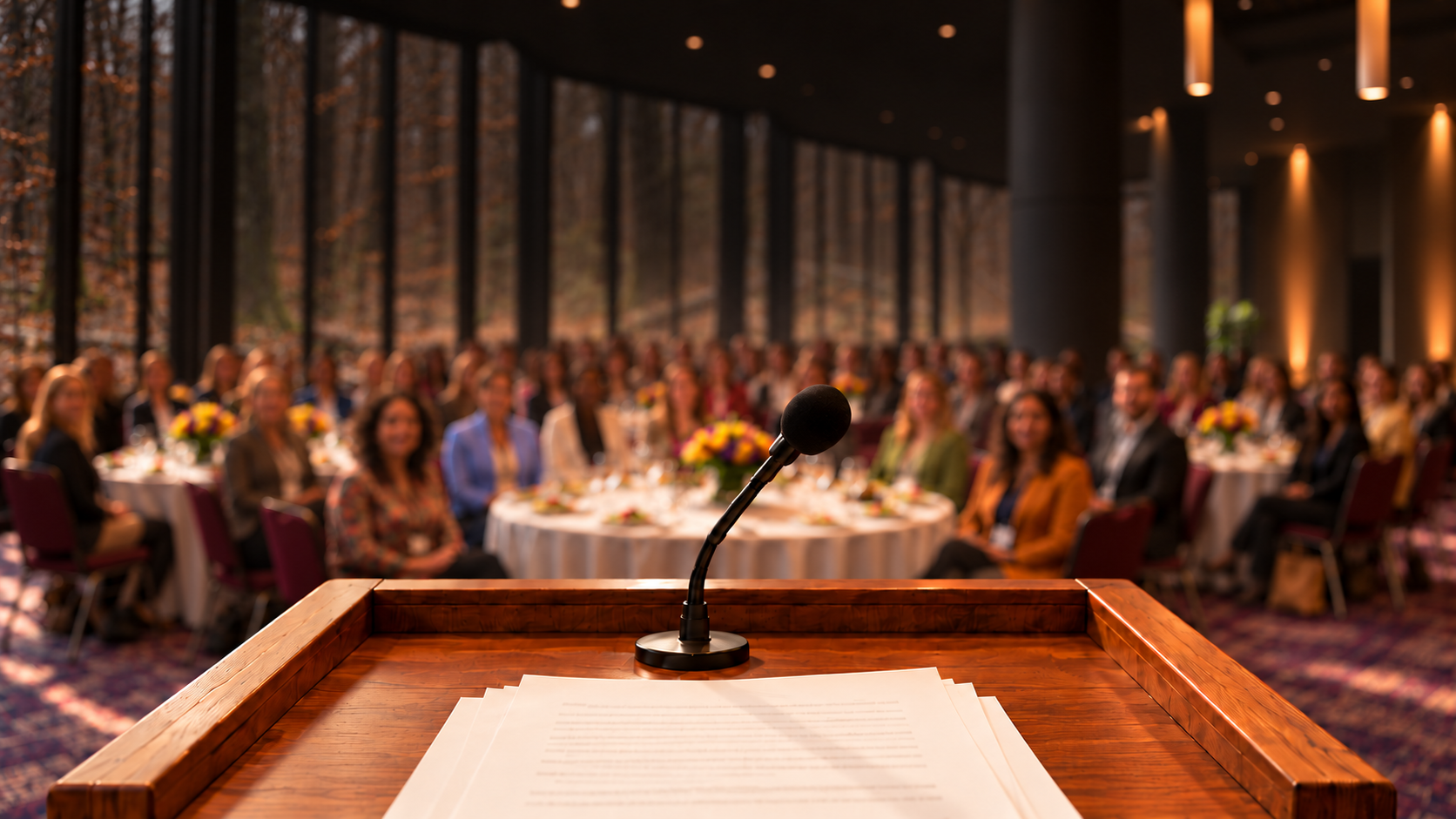
A breakout class, not a lecture
I begin with a specific human moment and let the audience discover its meaning before we talk about it together. The goal is not to prescribe a lesson or ask anyone to become fearless. It is to make room for better questions.
Choose the theme
Organizers can choose a prepared program or begin with the audience—general readers, veterans, leaders, caregivers, book clubs, or LGBTQ+ communities.
Hear the work
Humor, tension, tenderness, and lived experience carry the ideas. Short transitions connect the passages without turning the reading into a second keynote.
Stay with the question
The session can open into audience questions and a live signing, giving people time to engage with both the book and the conversation around it.
Prepared programs
Each program has a distinct emotional center and can be adjusted to fit the room. The descriptions below are intentionally spoiler-conscious.
A convenience-store encounter and a practiced delay in reacting explore what can happen when we question fear before obeying it.
From a ceremonial rifle to ordinary moments of welcome, these readings show that help does not need to be dramatic to matter.
Humor, weather, imperfect preparation, and an unfamiliar room frame the practical difficulty—and unexpected possibility—of letting oneself be seen.
Three quiet encounters explore validation, recognition, and what an uncomplicated welcome can change.
A family inheritance and two practical images of help ask what small gifts can mean far beyond their price or the moment in which they are given.
Flexible timing
Spoken time expands naturally with introductions, silence, audience response, and discussion. These shapes make room for that instead of rushing through the language.
One focused passage with a brief introduction and a final image allowed to settle.
One complete story, with room for context and one or two questions for the audience.
Two connected readings with a short bridge and time for a host-led exchange.
Three or four related passages, light transitions, audience reflection, and optional Q&A.
The most useful reading is not always the longest or most dramatic. It is the one that meets the audience where they are.
A few good starting points
I can lead with an immediately recognizable human situation—misreading a stranger, preparing imperfectly for an unfamiliar room, or receiving an unexpected gift. Gentle humor and a clear narrative turn make these readings accessible even to people who know nothing about the book beforehand.
Military experience becomes a doorway into conversations about standards, strain, support, and the decisions people make under pressure. These readings ask what useful help looks like, how leaders create direction, and why even a very small intervention can change the weight someone carries.
Stories of visibility, validation, welcome, and belonging can speak directly to transgender experience without treating that experience as a lesson reserved for one audience. The discussion can explore how people recognize one another, who defines the standard, and what it means to be seen without first having to qualify.
The focus is not on becoming fearless. It is on noticing what fear predicts, comparing that prediction with evidence, and creating enough space to choose the next action. The readings remain grounded in lived experience rather than presenting one person’s choices as a universal prescription.
These gatherings can make room for quieter material about family, identity, kindness, inheritance, and the meaning people carry away from ordinary encounters. The selection can stay spoiler-conscious for new readers or move deeper when the group has already read the book.
For a dedicated chapter-reading event, a live signing can follow the discussion. At a keynote, gala, or fuller conference program, the queue-free book option lets the conversation continue while signed-book fulfillment happens afterward.